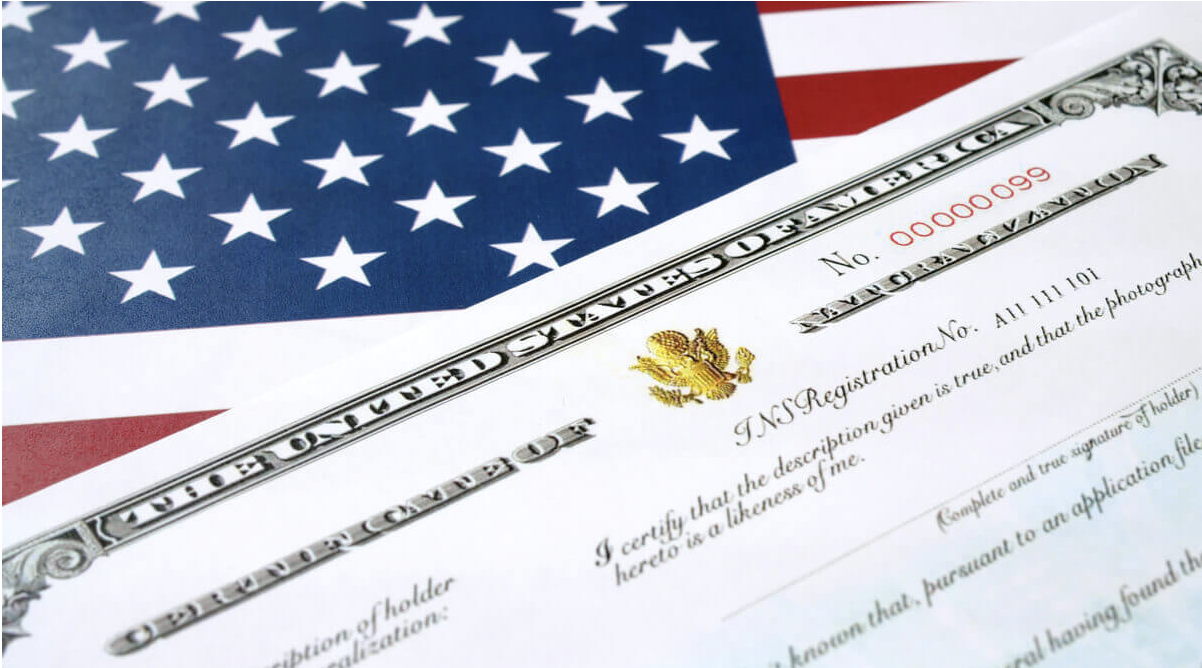
The U.S. Department of Justice is moving to accelerate efforts to revoke the citizenship of certain naturalized Americans, targeting cases where individuals are suspected of having obtained citizenship through fraud or misrepresentation.
Citizenship is considered one of the most secure legal statuses in the United States. Therefore, the overall impact of such measures is likely to remain limited due to the legal safeguards in place.
The effort is expected to involve coordination with agencies such as U.S. Citizenship and Immigration Services and the Department of Homeland Security, as part of a broader push to review past naturalization cases.
Although denaturalization remains a rare and highly scrutinized process requiring the government to meet a strict burden of proof before a judge, the initiative could involve hundreds of cases nationwide.
The development of such measures is being closely monitored across the Portuguese-American communities nationwide, in states such as Massachusetts, Rhode Island, and California, where Portuguese naturalized citizens form a vital part of the social and economic fabric.
Naturalized immigrants are foreign-born individuals who voluntarily obtain U.S. citizenship, usually after 5 years of lawful permanent residency or 3 years if married to a U.S. citizen. Individuals must be at least 18, a permanent resident (green card holder), of good moral character, and meet residency requirements.
PAJ/Staff

