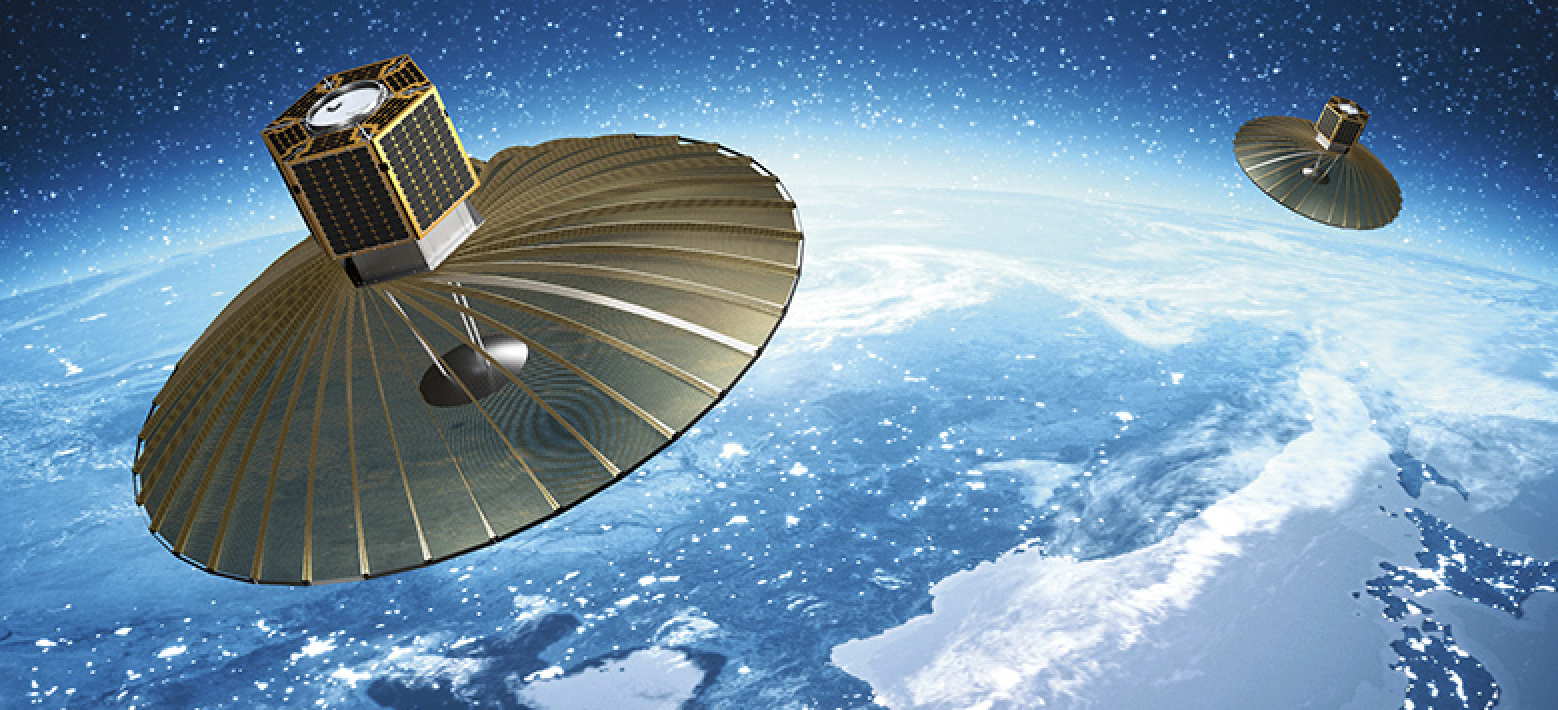
Portugal successfully launched six satellites aboard a SpaceX Falcon 9 rocket from Vandenberg Space Force Base, California, US. The mission reinforces Portugal’s growing role in the global space economy, while also strengthening strategic, scientific, and economic links across the Atlantic.
Among the satellites are four named after some of the nation’s most celebrated literary figures — Luís de Camões, Agustina Bessa-Luís, Fernando Pessoa, and José Saramago — symbolizing Portugal’s enduring cultural legacy alongside its technological progress.
The four satellites, launched on March 30, 2026, are part of the Lusíada Constellation, developed by Portuguese company LusoSpace, aimed at enhancing maritime navigation and communications across the Atlantic Ocean.
Often described as a “Waze for the oceans,” the system is designed to improve vessel tracking, safety, and data-sharing capabilities, particularly benefiting transatlantic routes connecting Portugal, the Azores, and North America.
The launch also included the Portuguese Air Force’s CA-01 satellite and the VHRLight NexGen Earth-observation satellite developed by CEiiA, highlighting a coordinated national effort under the New Space Portugal strategy.
Located along California’s central coast, Vandenberg Space Force Base, headquartered in the Santa Barbara region, has long served as a critical U.S. launch site for polar-orbit missions, making it an ideal gateway for satellites focused on Earth observation and global maritime coverage.
The use of this American base for a Portuguese-led mission underscores the deepening transatlantic partnership in space and technology, reflecting broader cooperation between the United States and Portugal, including shared strategic interests in the Atlantic, from the Azores to North America, reinforcing the role of space as a new frontier in longstanding bilateral ties.
PAJ/Staff

