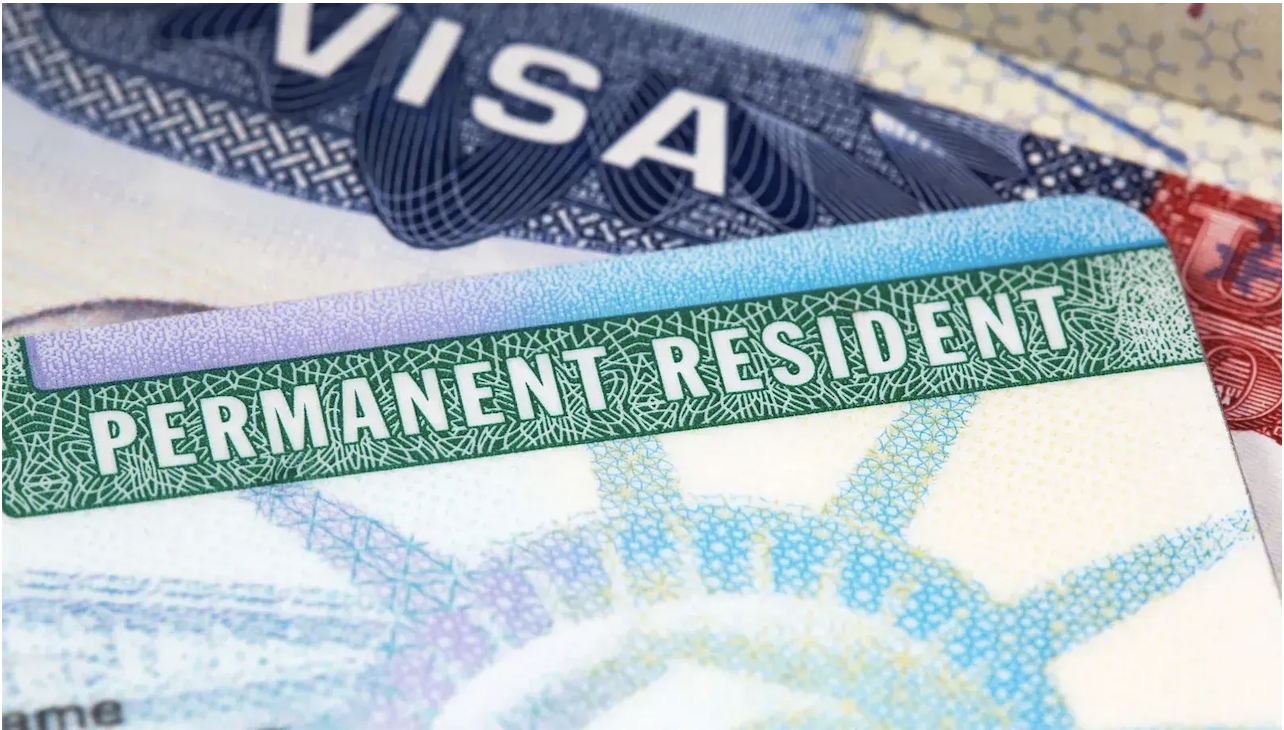
The US Department of Homeland Security has introduced a series of new visa and immigration measures in 2025–2026 that are expected to affect tourists, students, temporary workers, and green card applicants, prompting concern among immigrant communities and legal advocates.
The new rule, announced Friday, may not be evenly applied to all immigrants. The Department of Homeland Security stated that only applicants facing “extraordinary circumstances” may continue to qualify for adjustment of status inside the U.S.
Immigration attorneys warn the measure could impact individuals holding H-1B, L-1, F-1, and family-sponsored visas, potentially leading to family separations, work disruptions, and additional uncertainty for legal immigrants already navigating lengthy processing backlogs.
Additional measures announced or under consideration include expanded social media screening for student visa applicants, tighter technical filing requirements for immigration applications, proposed limits on the duration of foreign student stays, and broader visa restrictions affecting nationals from multiple countries.
The new developments are of great concern to immigrant and diaspora communities worldwide, including Portuguese-speaking communities in the United States, many of whom maintain strong transatlantic family, educational, and professional ties.
U.S. officials say the measures are intended to strengthen immigration oversight and national security, while critics argue they may increase uncertainty and administrative burdens for legal travelers and immigrants.
Proposed changes may include:
• Expanded visa restrictions and travel bans affecting nationals from dozens of countries beginning in 2026.
• Enhanced social media screening for student and exchange visa applicants (F, M, and J visas), including scrutiny of public online activity.
• Proposed limits on how long foreign students may remain in the U.S., replacing the traditional “Duration of Status” system with fixed stay periods that may require extensions.
• Stricter technical requirements for immigration filings, including new rules allowing the US Citizenship and Immigration Services (USCIS) to deny — rather than simply reject — applications with invalid signatures.
• Increased scrutiny during visa interviews, including questions about whether applicants fear returning to their home countries, which critics say could affect future asylum claims.
PAJ/Staff

