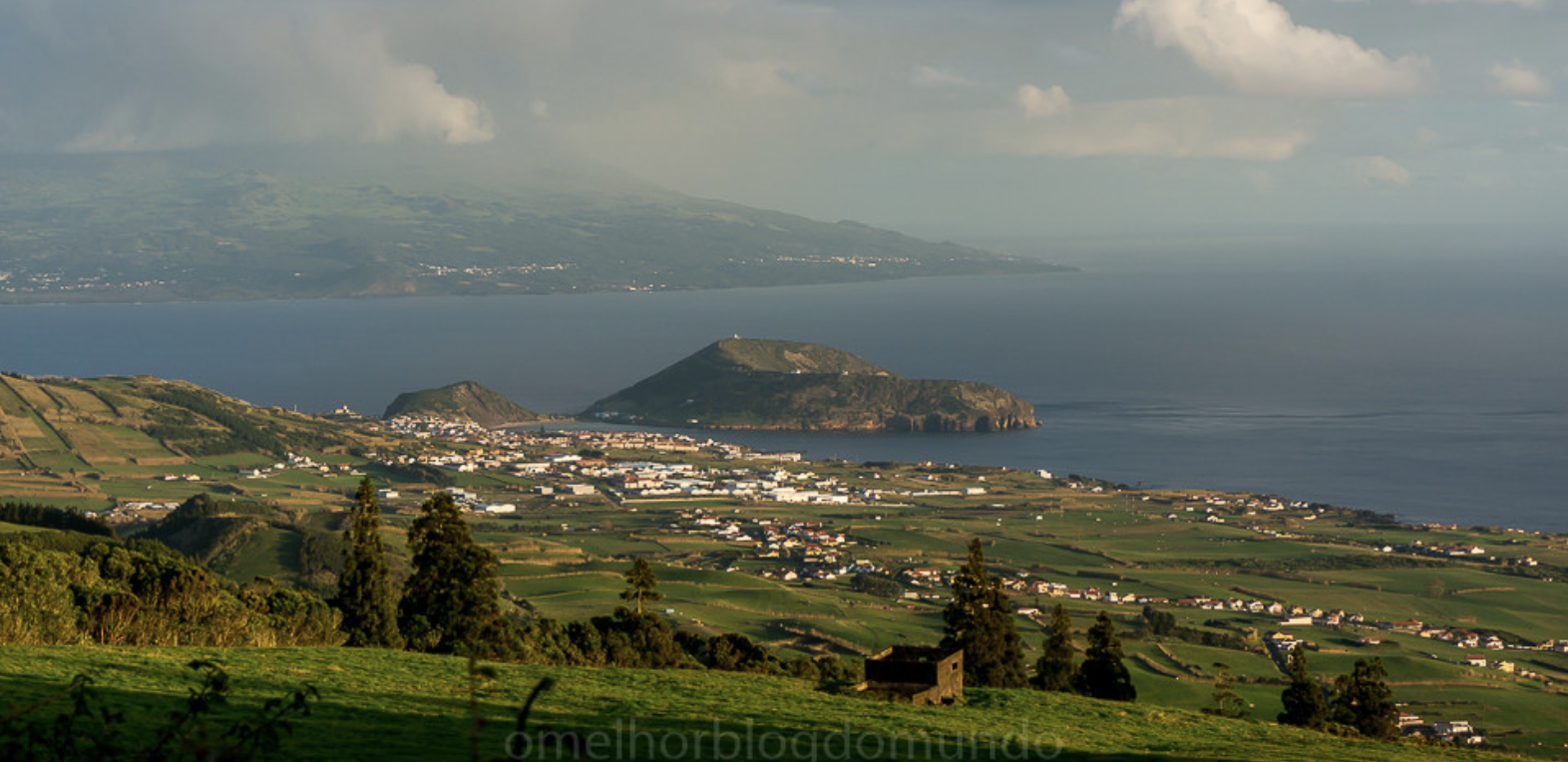
One hundred years ago today, on the morning of August 31, 1926, the island of Faial was violently shaken by one of the most destructive earthquakes in the modern history of the Azores.
A century later, the Museu da Horta is commemorating the disaster with historical photographs, educational activities and an earthquake-preparedness exercise involving about 100 children.
The main shock struck at 8:42 a.m., with its epicenter in the channel between Faial and Pico. Estimated at magnitude 5.3 to 5.9, it reached a maximum intensity (Extreme) on the Mercalli scale. Nine people were killed, more than 200 were injured, and 4,138 homes were damaged or destroyed, leaving thousands without adequate shelter. Horta and the parishes of Conceição, Flamengos, Ribeirinha and Praia do Almoxarife were among the hardest hit.
The disaster transformed Faial physically and socially. With the island’s population then numbering about 20,000, contemporary research estimates that roughly 12,000 people were displaced, many initially taking refuge in public squares, gardens, tents and temporary wooden shelters.
Churches, convents and other historic buildings were destroyed or seriously damaged, while Portuguese authorities dispatched financial assistance, food, clothing and tents aboard naval vessels. The earthquake had been preceded by months of seismic activity beginning in April, but the violence of the August 31 shock overwhelmed communities already living with uncertainty.
The catastrophe also became another chapter in Faial’s long history of emigration and its close relationship with the United States. Many families left the island after the 1926 earthquake, joining an Azorean diaspora that had already established strong communities in New England, particularly in Massachusetts and Rhode Island.
Direct steamship connections between Horta and Boston had helped make the United States a principal destination for Faialenses since the late 19th century, although restrictive U.S. immigration quotas introduced in the 1920s limited how many newcomers could enter.
The pattern of natural disaster followed by migration would repeat on a much larger scale after the 1957–58 Capelinhos volcanic eruption, when special U.S. legislation opened the door to thousands of Azoreans. In that sense, the earthquake of August 31, 1926, is remembered not only for the destruction it caused, but also as part of the history that strengthened the enduring human bridge between Faial, the Azores, and Portuguese-American communities in the United States.
PAJ/Staff

