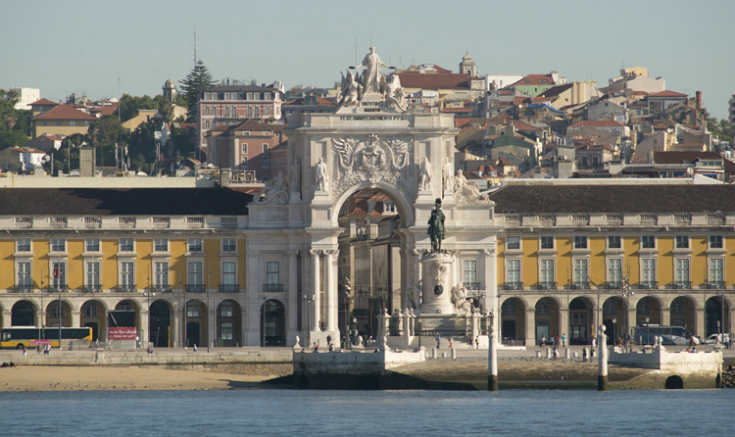
Portugal has been selected by the British magazine The Economist as the “Economy of the Year” for 2025, placing the country at the top of a ranking of the world’s 36 richest economies
Titled “Which economy did best in 2025?”, the magazine highlighted Portugal’s strong blend of macroeconomic indicators, including solid GDP growth, low inflation, a dynamic labor market, and a positively performing stock market — positioning the country ahead of its advanced-economy peers.
The Portuguese government responded enthusiastically to the recognition. Prime Minister Luís Montenegro called the distinction “a just recognition of the merit and work of the Portuguese people,” adding that it “reinforces the government’s motivation” to continue reforms that drive competitiveness, productivity, and stronger social welfare.
Economy Minister Manuel Castro Almeida welcomed the news as “very good,” while also noting that many citizens may question whether this progress is already reflected in their daily lives. “We moved from very poor to a little less poor,” he said, acknowledging the need to translate macroeconomic gains into higher living standards.
Despite broad praise, the accolade has sparked strong debate. Left-wing presidential candidate Catarina Martins criticized the celebration of indicators that, in her view, do not reflect the reality for many workers struggling with the cost of housing, basic goods, and public services.
“There is no success in the economy when workers cannot afford housing, pharmacies, or groceries,” she said, arguing that success must be measured through wages, pensions, services, and job quality — not stock-market performance or inflows of wealthy foreign residents.
Labor-rights advocates and former officials echoed concerns that the recognition risks masking persistent structural challenges, including inequality, dependence on tourism and foreign demand inflows, sectoral imbalance, and vulnerability to external shocks. As one critic noted, “a bigger leap than others, but we started from far behind.”
Although independent analysts are urging caution, employment is rising, inflation remains stabilized around 2.3%, and private consumption is strong — all consistent with the indicators praised by The Economist. However, analysts also warn that foreign demand growth has weakened and challenges remain to secure long-term resilience.
The contrasting reactions underscore a central tension. Significant improvements in Portugal’s headline economic performance versus lingering questions about social equity and structural sustainability. While macroeconomic results have clearly improved, critics stress that “Economy of the Year” status is only meaningful if a broad majority feels its benefits.
The designation by The Economist marks a symbolic milestone. Continued diversification beyond tourism, strengthened social cohesion, and sustained investment in wages, services, and competitiveness will be key to long-term success.
The Economist is considered one of the world’s leading news and economic analysis publications, known for its independent evaluation of global economic and political performance.
PAJ/Staff

