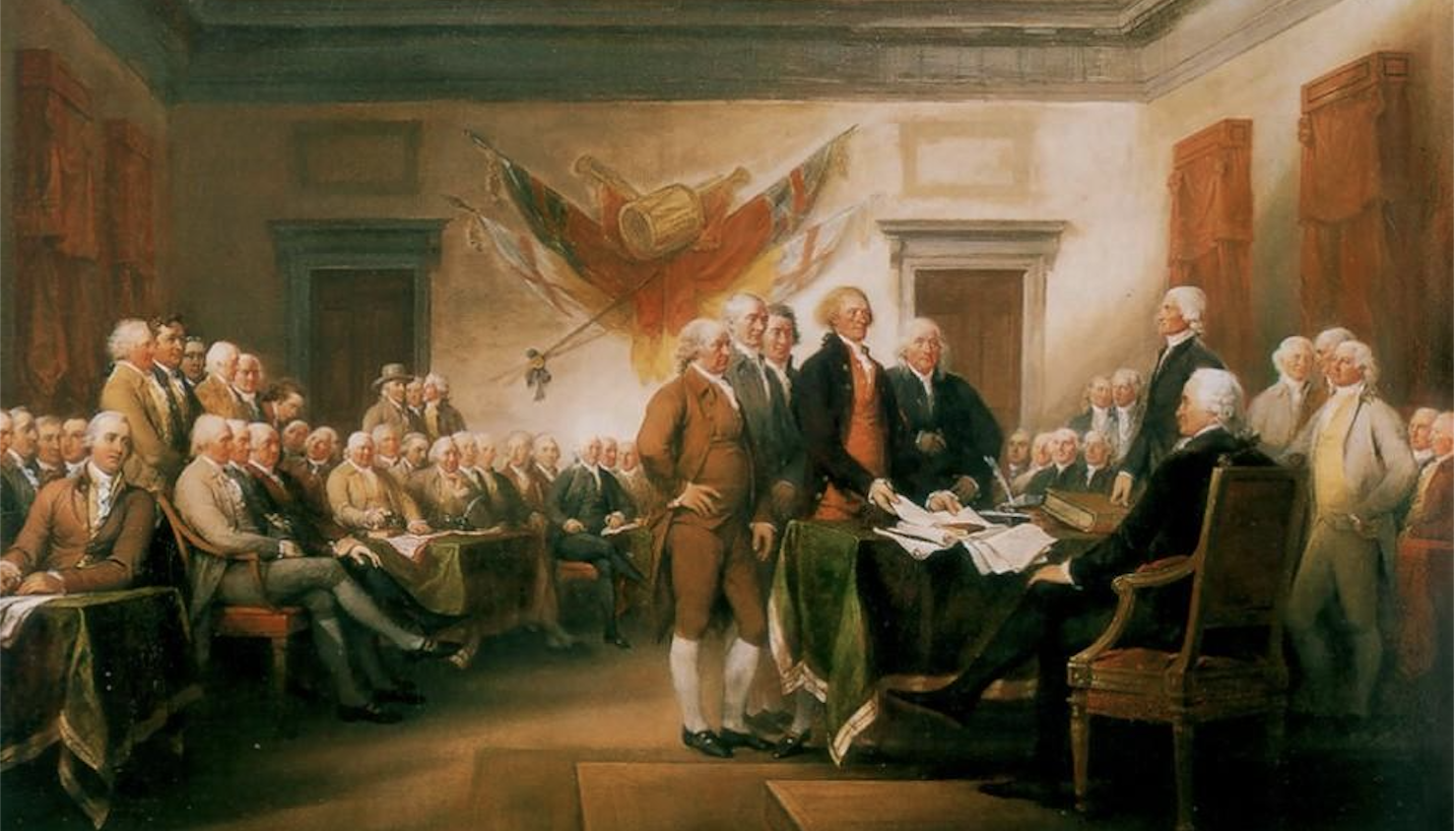
As the United States commemorates its 250th Independence Day on July 4, the longstanding relationship between Portugal and the United States offers a remarkable chapter in the history of the Atlantic world.
Although Portugal remained officially neutral during the American Revolutionary War, due to its centuries-old alliance with Great Britain under the Treaty of Windsor of 1386, Portugal formally recognized the independence of the United States in 1791, becoming one of the first European nations to establish official diplomatic relations with the new republic.
Even before formal recognition, Portugal’s Atlantic ports and islands served as essential links for American merchant vessels. The Azores, in particular, emerged as a critical waypoint for ships crossing the Atlantic, providing safe harbor, supplies, and repairs for American vessels traveling between North America and Europe.
On July 7, 1795, President George Washington appointed John Street as the first official U.S. Consul to the Azores, stationed in Horta on the island of Faial, making the diplomatic post in the Azores the oldest continuously operating U.S. Consulate in the world.
The consular presence in the Atlantic helped protect American commercial interests, assist U.S. sailors, and strengthen relations between the young United States and Portugal. The ports of Horta, on Faial Island, and Ponta Delgada, on São Miguel Island, became especially significant centers of American shipping and commerce during the late eighteenth and nineteenth centuries.
Thomas Jefferson praised the importance of friendly relations with Portugal, writing, “I have ever considered the friendship of Portugal as an object of great importance to the United States.”
Madeira wine held a special place in early American history and is traditionally associated with the toasts celebrating the signing of the Declaration of Independence on July 4, 1776. It was also favored by several of the nation’s Founding Fathers, including George Washington, Thomas Jefferson, and John Adams.
Regarding the popularity of Portuguese Madeira, John Adams is known to have said, “Madeira is as essential to our tables as bread,” reflecting the popularity of Madeira wine among America’s Founding Fathers.

José Correia da Serra (1750–1823)
An influential figure in the relationship between Portugal and the United States during the early nineteenth century was José Correia da Serra (1750–1823), a distinguished Portuguese diplomat, scientist, and intellectual. Appointed Portugal’s minister (ambassador) to the United States in 1816, Correia da Serra became one of the most respected foreign diplomats in early Washington.
A close friend and correspondent of Thomas Jefferson, James Madison, and other leading American statesmen and scholars, he promoted scientific collaboration, strengthened commercial and diplomatic ties, and helped foster mutual understanding between the two nations. earning him a lasting place in the history of bilateral relations.
During his diplomatic service in Washington, he expressed his vision for the relationship between Portugal and the young American republic, remarking, “The United States possesses no warmer friends than those who wish to see liberty and constitutional government flourish on both sides of the Atlantic.”
The relationship between the two nations deepened throughout the nineteenth century as thousands of Portuguese emigrants from mainland Portugal, the Azores, and Madeira settled across the United States, particularly in New England, California, and Hawaii.
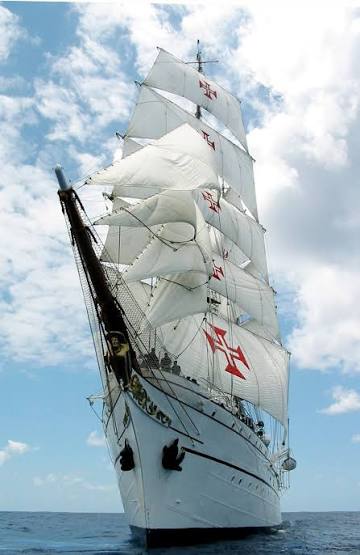
NRP Sagres
To celebrate this historic friendship, the Portuguese Navy’s iconic tall ship NRP Sagres is participating in the United States’ 250th anniversary celebrations by joining one of the largest international gatherings of tall ships ever assembled in American waters. The three-masted training vessel is joining the Sail4th 250 celebrations surrounding Independence Day before continuing to Boston Harbor and New Bedford Harbor as part of the nationwide commemorations.
Shared democratic values have further strengthened the relationship, particularly following Portugal’s Carnation Revolution of 1974, which restored democracy after decades of authoritarian rule.
Today, more than 1.4 million Americans claim Portuguese ancestry, and Portuguese Americans continue to make significant contributions in public service, business, education, agriculture, fishing, the military, and the arts.
The partnership has continued to evolve into the modern era. Portugal and the United States are close allies within NATO, with Lajes Air Base on Terceira Island, in the Azores, serving for decades as a strategic transatlantic hub supporting military operations, humanitarian missions, and international cooperation.
As the nation commemorates its 250th Independence Day, the history shared by Portugal and the United States serves as a reminder that the Atlantic Ocean has long connected the two nations through diplomacy, commerce, migration, and friendship. From the earliest American diplomatic representation in the Azores to today’s enduring alliance, the relationship stands as one of the oldest and most resilient transatlantic partnerships.
Carolina Matos/Editor

